By: Mackenzie Branstad
As a cholita woman sits on a bench of La Paz, upright with good posture. Her hair is neatly tied in braids. Dressed in a skirt longer than her ankles adorned with many layers, atop her head the signature tall top hat along with a long poncho and flat shoes. A young woman walks past her, slouched in some blue jeans and an oversized t-shirt and sneakers listening to music in her headphones staring down at her phone.
In Bolivia there is a coexistence between traditional and modern fashion. Before coming to Bolivia I thought that everyone would be in traditional clothes. I searched Pinterest for typical Bolivian fashion finding maxi skirts, top hats, blouses and typical cholita attire. For many people who visit Bolivia, seeing locals in traditional clothing is the expectation.
Although for many people, especially in larger cities, this type of outfit is reserved for special occasions like festivals or holidays. It is almost exclusively the traditional wear I saw on Pinterest when it comes to rural places like the Uyuni salt flats. The traditional and urban styles of Bolivia exist in different spaces.
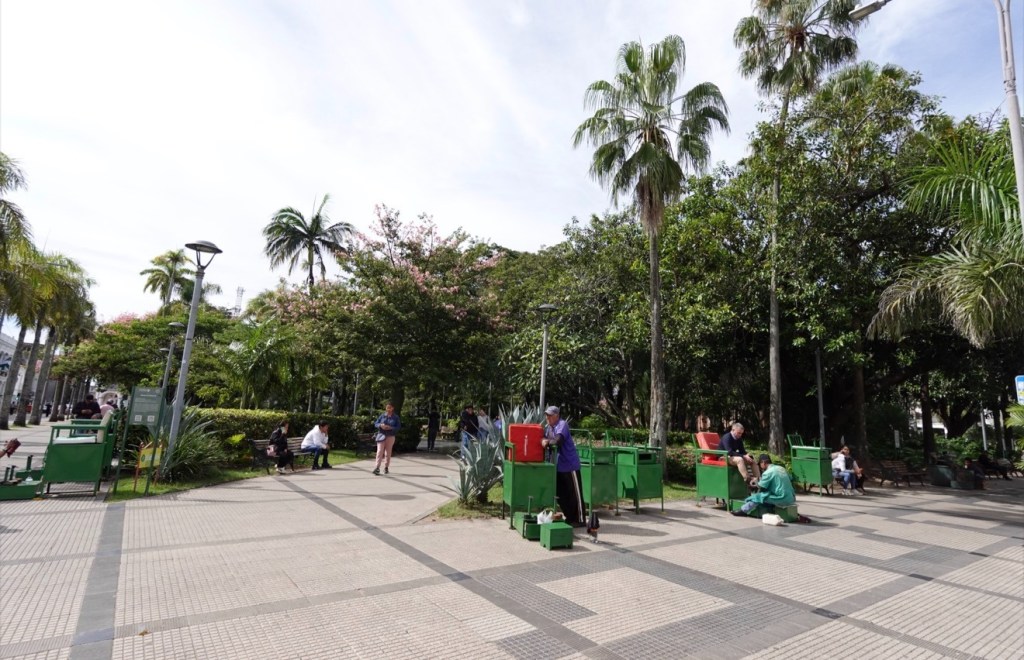
Photo by Mackenzie Branstad
In La Paz the capital city, home to over 757,431 residents there is a high population of what Bolivians call cholitas. Cholitas are known for their unique Spanish colonial originating style. Cholitas are women who wear long dresses or skirts, a tall hat and flat shoes. The ensemble often has many layers and a variety of vibrant colors sometimes having patterns like stripes.
Art museums possess many paintings framed around cholita fashion and the evolution of the cholita attire. Cholita fashion is a time capsule of history. Museums are filled with traditional attire including tipoys, a dress often worn by women who are single, with a ruffle around the woman’s shoulders and a short hemline of the dress. Bolivian fashion has never been just one thing, many patterns, colors and styles evolved many years ago.
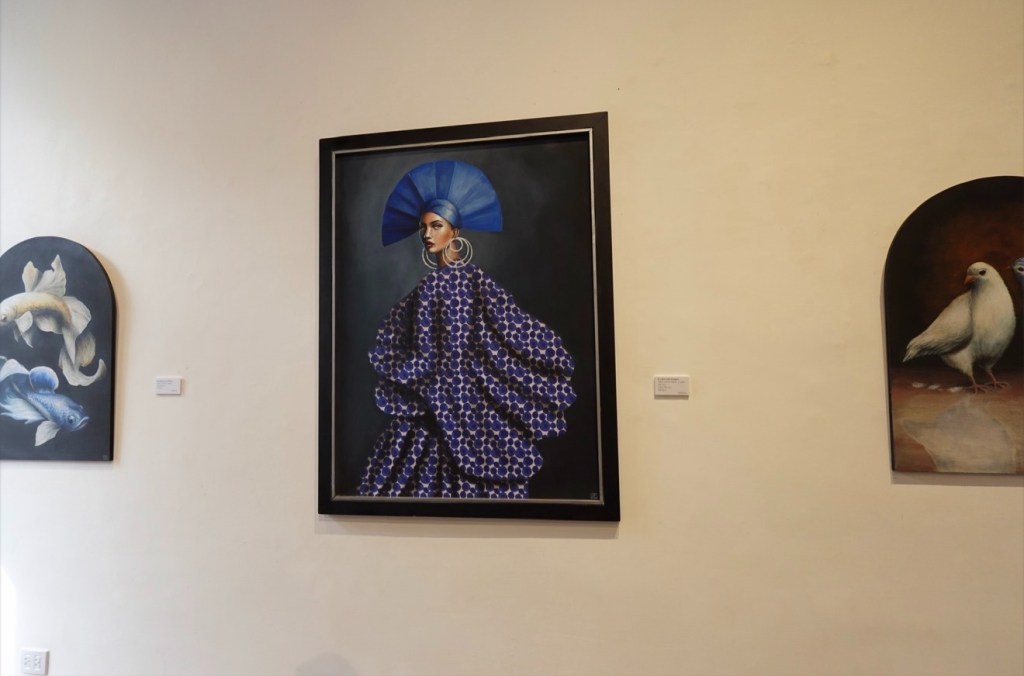
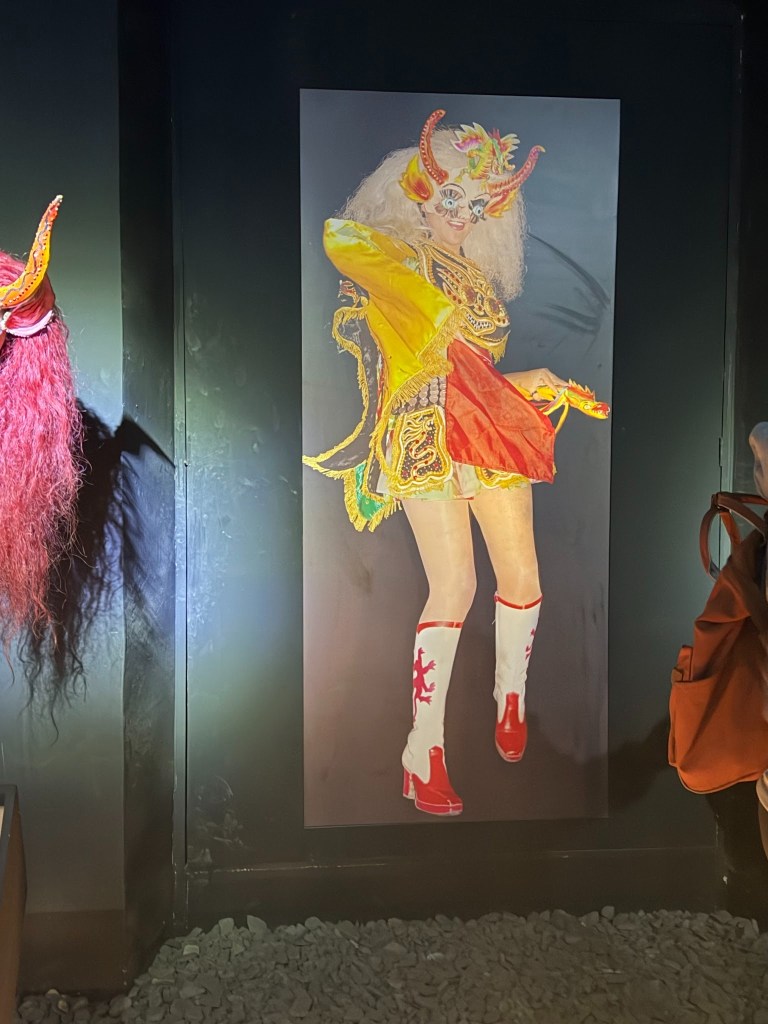
In Bolivia cholitas are known for being incredibly strong, putting on wrestling performances and their outfits being extremely durable even though they are heavy. The famous cholita hats were originally worn by men. Later wearing the hats became a sign of fertility. The women wanted to signal their fertility and decided to wear the hats, in time it became a feminine item in Bolivia. “Women who wear four layers in their skirt are single,” says Sylvia. Sylvia grew up in La Paz and her grandmother was a cholita. Growing up in La Paz Sylvia learned a lot about cholitas and what the wardrobe represented.
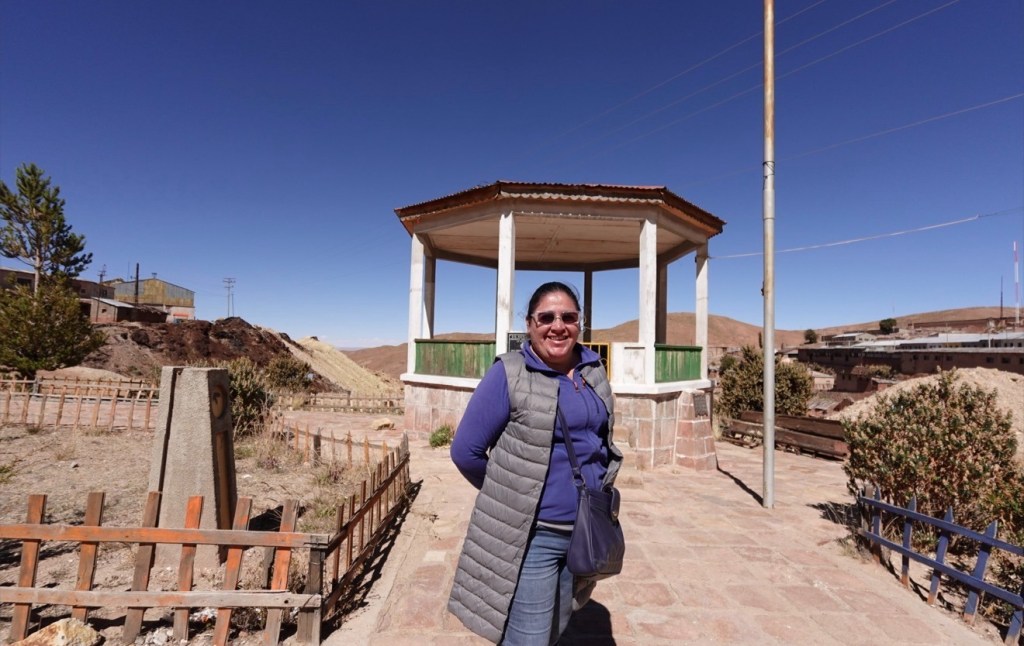
Photo by Mackenzie Branstad
Before 1952, Indigenous dresses were seen as something that needed to be regulated or even prohibited. Dresses were not allowed to be worn in public spaces or work. In the 1952 revolution the social order shifted. The term “cholo” was seen as a derogatory term in this time. This term is now reimagined and cholitas are now known for their strength and resilience.
Fashion differs in different regions of Bolivia, in La Paz cholitas line the streets bundled up in their layered skirts and ponchos in the cool May winters. In Santa Cruz the younger people walk relaxed in sneakers enjoying the few degree warmer weather.
“Siempre Libres Cruceños Seamos,” reads the green banner that hangs across a tall building in the center of the city. “This is the motto of the people of Santa Cruz,” says Gisele, a university student in Santa Cruz. In English translation, “let us always be free, people of Santa Cruz”. Even through efforts of banning traditional attire, women were unfazed and continue to wear what they want whether that’s jeans and a t-shirt or a maxi skirt and poncho. Self expression and resilliance is the center of Bolivian fashion.
Walking the markets of La Paz the walls are painted in bright colors and paintings the streets are lined with cholita women selling apparel like Patagonia sweaters, alpaca blankets, llama keychains and many other items they hand create to sell. Cholita women work in the shops for almost all hours of the day and late into the night. These are business women, getting tourists into their little stores filled with every color imaginable. Selling small items that the woman can make in a day some items take months or years to hand create.
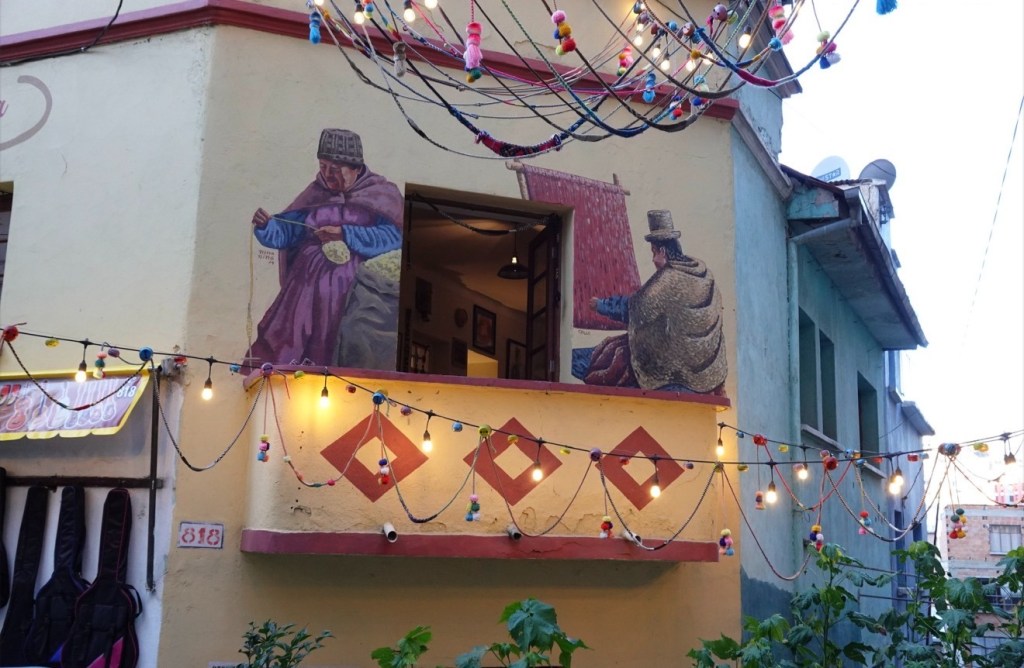
Photo by Mackenzie Branstad
For many this is the type of Bolivia they imagine. Market vendors, traditions and modest attire when walking through the busy streets of Santa Cruz few people wear the indigenous clothing. The average age of Santa Cruz citizens is 26 years old. Many young people of Santa Cruz prefer the comfort of jeans but not all.
In the university at Santa Cruz, almost no one is wearing cultural attire. The streets are busy with students in casual jeans. Mainly it is the older women that are wearing the traditional clothing.
Natalia, a student at the University of Arkansas who grew up in Bolivia believes that her own fashion evolution originates from her use of social media. “Social media is a good way of guiding you through the fashion process,” says Natalia.
Where Natalia is from it gets very cold, so her fashion possibilities were limited to warmer styles. Clothes suited to cold weather are the norm in her city. “If I wear shorts people around the city are like, is she crazy?” says Natalia. Fashion is constantly evolving with social media expediting trends even in places like Bolivia.
Local designers of Bolivia are constantly trying to reimagine dresses and clothes, putting traditional patterns on new designs and slang popular phrases on t-shirts. Younger people in Bolivia want to experience new fashion, experiment and express themselves through their clothes but the older woman and the traditional clothes are still greatly appreciated by the youth. “I think that in 10 years the fashion is going to change but we will still use the same ideas to create something new,” says Natalia.
Similar to the attire of Bolivia, culture isn’t something that is fixed it is something that is always changing and becoming more resilient in times of economic turmoil, protests and other issues. Modernization and globalization of fashion has adapted just like the country.
Fashion is an outlet of patriotism, tradition and self expression for the people of Bolivia. The traditional attire is beyond appearance, it is a mirror of adaptation of the country.
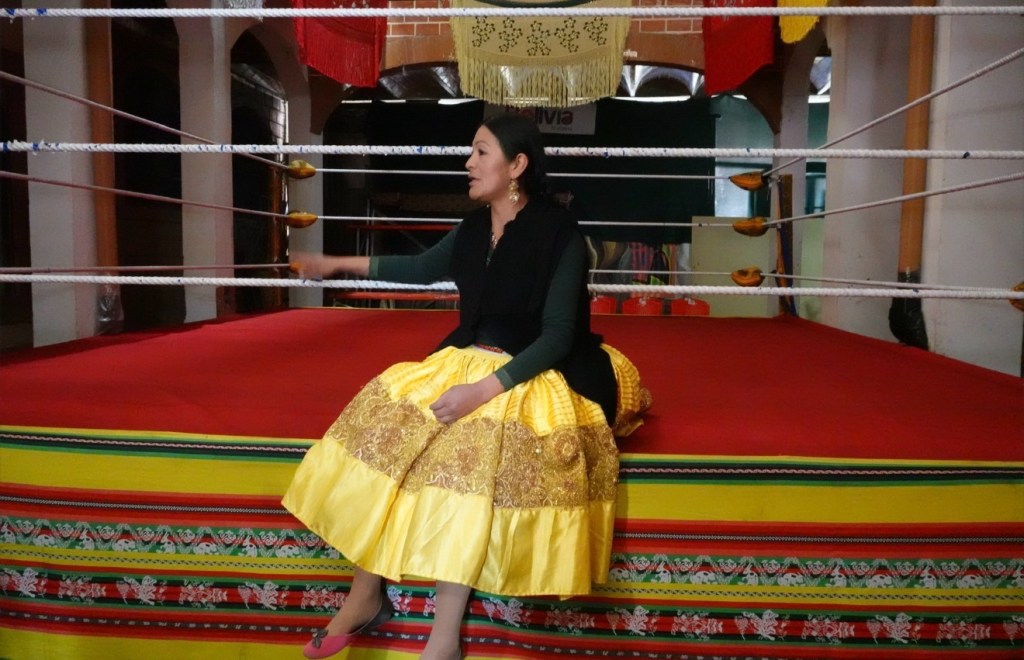
Photo by Mackenzie Branstad
Culture and fashion in Bolivia is constantly evolving. Fashion is an artistic language in Bolivia, each article of clothing tells a story of evolution and resilience. It is beyond just clothes for Bolivia it is a story and it carries the history of Bolivia within it.
As the older woman continues to sit on her bench in La Paz, listening to Spanish music in the background watching the rest of the community dance the streets, sell handmade items, eat food and stroll the streets. Seeing the young people relaxed chatting with friends. She stays comfortable resting between the change of the country and the tradition.


Leave a Reply